
(Image source from: AFP)
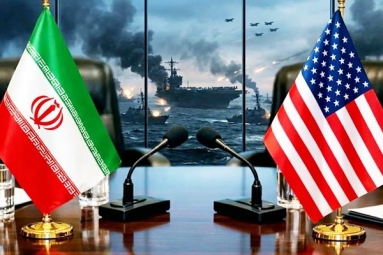
The United States has unexpectedly provided support to Iran's oil sector. In a significant change in policy, Washington has announced a 60-day grace period that permits the production, sale, delivery, and import of Iranian crude oil and petroleum products until August 21. This action is part of ongoing talks with Tehran to achieve a wider peace deal and resume international nuclear inspections. For India, which is among the largest importers of crude oil globally, this development could be quite important. It might not result in immediate shipments of Iranian crude to Indian ports. However, it opens up a chance that New Delhi has not had in years: access to a major oil source when global energy markets are still susceptible to political disruptions.
The US Treasury has granted a temporary general license for transactions involving Iranian crude oil, petroleum products, and petrochemicals. This waiver also includes related services such as shipping, insurance, and banking. It will stay in effect until August 21. This decision follows Iran's agreement to allow inspections from the International Atomic Energy Agency (IAEA) and engage in broader diplomatic discussions. Many see this waiver as a way to build trust rather than as a complete removal of sanctions. Oil markets responded quickly, and crude prices dropped as traders expected more supplies to flow into the market. India imports nearly 85 percent of the crude oil it consumes, making it extremely responsive to global oil price changes. Any increase in crude prices impacts India's import expenses, inflation rates, budget plans, and ultimately the fuel prices that consumers pay.
The way India sources its oil has changed significantly over the last four years. Following the Russia-Ukraine conflict, India became one of the largest purchasers of discounted Russian crude oil. Currently, Russia supplies about one-third to 40 percent of India's crude imports, making it the country's biggest supplier. Simultaneously, India still heavily relies on producers in the Gulf region, including Saudi Arabia, Iraq, and the UAE, for a substantial portion of its energy requirements. OPEC nations accounted for about half of India's crude imports in 2025. This reliance poses risks whenever conflict arises in the Middle East. Iran's potential return could provide India with another key source of supply. Before US sanctions were reinstated in 2018, Iran was one of India's leading oil providers.
Indian refiners appreciated Iranian crude due to its competitive prices, favorable credit conditions, and lower shipping costs compared to some other suppliers. Before the sanctions forced refiners to stop buying, India was one of the largest purchasers of Iranian oil. The sanctions effectively cut off Iranian imports for years. Now, even a short-term opening might revive conversations between Indian refiners and Iranian suppliers.
The existing waiver is valid for just 60 days and is linked to ongoing talks between countries. Typically, refineries like to have long-term certainty before making big purchases. Still, this action suggests that Iranian oil might slowly come back to worldwide markets if the talks go well. This could be advantageous for India.
More oil available in the market usually leads to lower prices and gives buyers better leverage. Even if India does not greatly increase its direct buying from Iran, more global supply could help keep crude prices in check and lower import expenses. Another reason India is paying attention is the Strait of Hormuz. A large part of India's oil imports travels through this narrow passage that connects the Persian Gulf to world markets. Recent conflicts in the area have created worries about supply interruptions and steep increases in oil prices. The agreement between the US and Iran includes promises related to maritime safety and the free passage of vessels through the Strait of Hormuz. Any decrease in risks around this Strait would be beneficial for India, which relies heavily on energy shipments that pass through there.
India's expenses for crude oil imports exceed $100 billion each year and vary a lot based on global oil prices. Even a slight drop in standard crude prices can save the nation billions over a year. This is why Indian officials closely monitor changes in major oil-producing areas. If Iranian oil comes back in larger amounts and tensions in the world lessen, oil prices could stay low. This would help India manage inflation, lower import costs, and improve its balance of payments.